
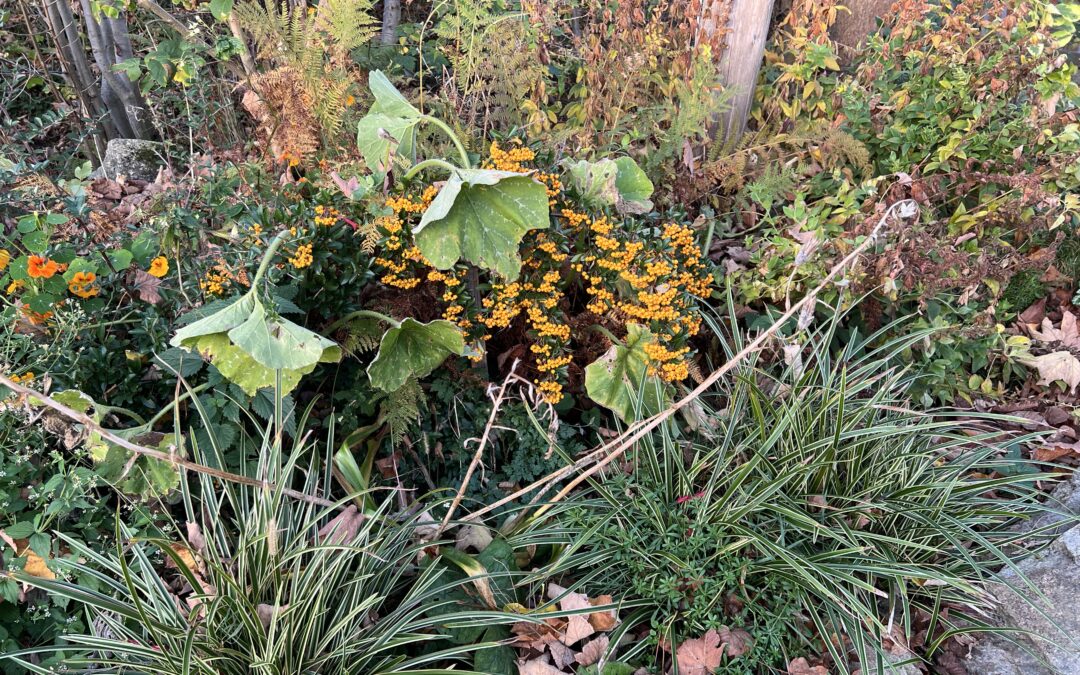
So says the Lord of hosts, the God of Israel, to all the captives whom I have sent into exile from Jerusalem to Babylon, Build houses and live in them; plant gardens and eat their fruit. Jeremiah 29:4-5
Have you ever been encouraged to “bloom where you are planted”? It’s usually something we hear when life feels difficult—when we’re facing hard decisions, living in uncomfortable circumstances, or longing to be somewhere else. Yet in many Christian circles, we’ve also come to celebrate constant movement. We admire the adrenaline of “spiritual risk,” living untethered and calling it surrender. Somewhere along the way, we’ve begun to assume that being rooted means we’ve settled. But rootedness is not settling; it is often the shape of faithful obedience.
Israel knew exactly what it felt like to be uprooted and dropped in a place they never wanted to be. Carried into exile in Babylon, they longed to return home. They searched for prophets who would confirm what they desperately wanted to hear. There were plenty of voices willing to do just that. Then there was Jeremiah.
Jeremiah was encouraging them to “bloom where they were planted” — to build houses, plant gardens, have kids, and invest in the community. (Jeremiah 29:4-7). This was not what they wanted to hear; it was disappointing and frustrating, and it elicited all five stages of grief. Their response did not change God’s mind. It did not change the timing of seventy years that had already been determined and prophesied by Jeremiah. (Jeremiah 29:10).
The choice was to accept their current season and build their lives in the middle of a difficult place, or to continue fighting a losing battle. The promise wasn’t comfort or meeting expectations but a strong, healthy community and families with roots and fruit.
A plant that is continually transplanted never has the chance to develop healthy roots. The repeated disruption stunts its growth and limits its fruitfulness. God is not in the habit of uprooting His people simply because the soil looks better somewhere else. If a parent constantly uprooted their family without purpose, we’d probably describe that as instability. Yet we sometimes assume that’s God’s preferred way of leading us. Certainly, there are seasons of transition, but we were not created for perpetual upheaval. We were created for family.
Often, we can get stuck on the view from our own window and forget there is a whole neighborhood beyond it. Our obedience and sacrifice were never meant to only benefit us. God’s kingdom expands as ordinary people faithfully invest where they are planted. We become His hands and feet, stewarding His inheritance, and in return we get to live in the blessing and share in the joy as it flourishes.
We recently moved to a new state after 25 years in one spot. It was definitely God’s idea and His intention. Even with a strong belief that we made the right decision, there were times when we wanted to rethink our choice. Following God isn’t proven by one courageous decision. It’s revealed in the thousands of choices that come afterward; some even more difficult than the last.
There are pivotal moments when we need to step back, breathe, and look at our spiritual life through a different lens. We work hard to provide stability for our families. Sometimes that means taking a risk – moving for a better job opportunity, joining a church that feels like home, or choosing proximity to family when it would be easier to leave. Stability isn’t measured by the absence of change; it is the outcome of wise decisions that put us in places we can cultivate healthy roots.
Like many of our natural decisions, our spiritual journey is built on relationship. Whether we stay or go should never be determined by fear, comfort, or restlessness, but by hearing God’s voice and following His lead. Sometimes obedience looks like stepping into something new. Other times, it looks like putting down roots and faithfully tending the garden He’s already given us. Both require faith. The question isn’t whether we’re moving; it’s whether we’re following.